
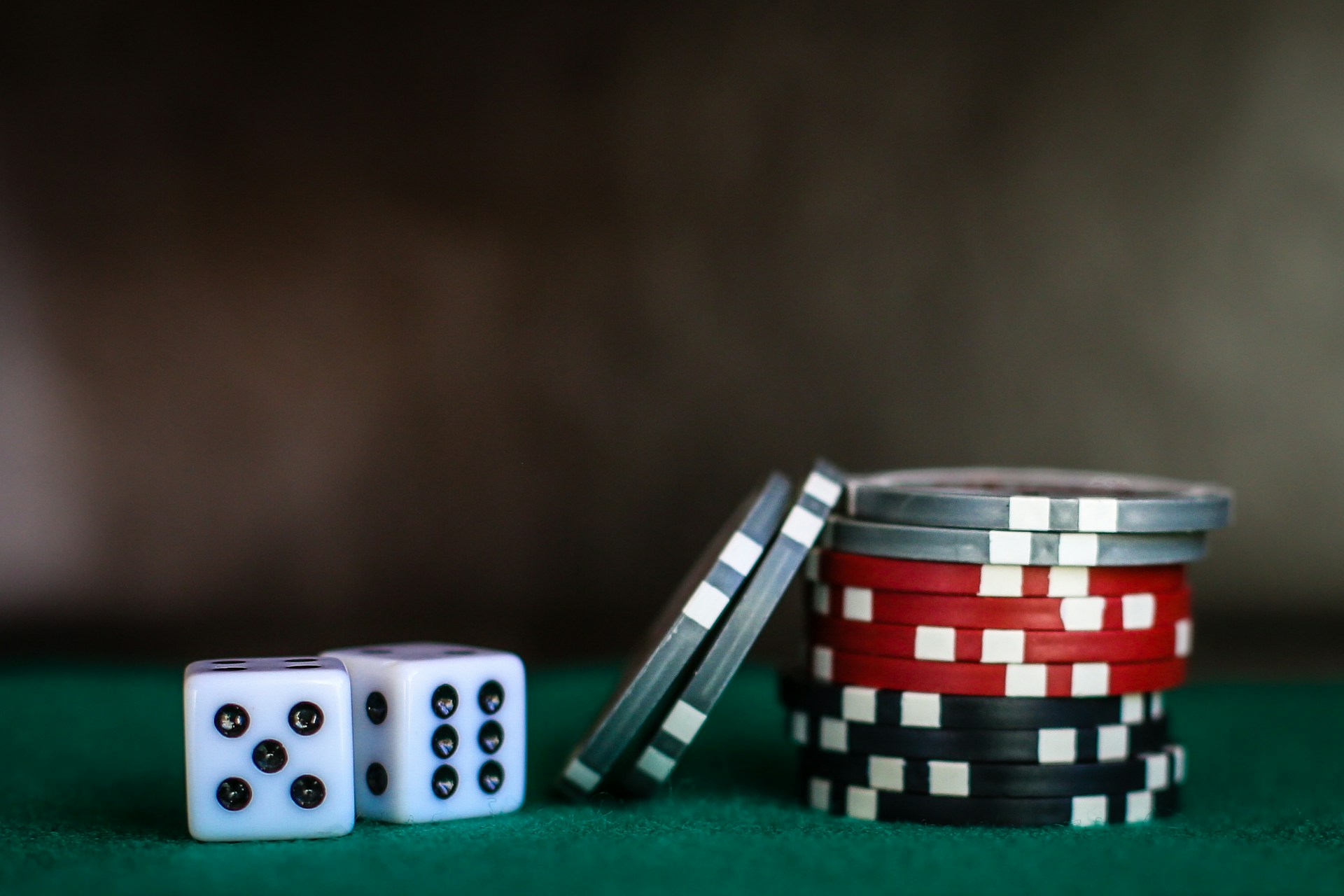
Casino games have fascinated people for centuries. The excitement comes from the blend of skill, chance, and strategy. Understanding the rules, odds, and house edge helps players make informed decisions. While luck plays a role, knowledge can improve enjoyment and reduce unnecessary losses. Casinos offer a range of games, from slots to table games, each with unique dynamics. Learning the fundamentals allows players to engage responsibly while appreciating the complexity behind every bet.
The Basics of Casino Games
Casino games fall into two main categories: games of chance and games of skill. Slots and roulette rely mostly on luck, while poker and blackjack involve strategic decision-making. Each game has specific rules that determine gameplay, payouts, and winning conditions. Players must familiarize themselves with these rules before participating. A clear understanding ensures a smoother experience and prevents costly mistakes. Knowing the basics builds confidence and adds to the enjoyment of gaming.
How Odds Work
Odds indicate the likelihood of a particular outcome in a game. In casino terms, odds determine potential winnings relative to risk. For example, a bet with higher risk usually offers higher rewards. Understanding odds allows players to gauge the probability of success. While they cannot guarantee wins, odds help manage expectations. Knowledge of odds supports better betting decisions and prevents impulsive or uninformed wagers.
The Concept of House Edge
The house edge is the casino’s advantage in any game. It represents the average percentage the casino expects to retain over time. A low house edge means players have a better chance of winning in the short term. Games like blackjack often feature a lower house edge compared to slots. Recognizing house edge differences helps players choose games wisely. It also illustrates why consistent long-term profits are unlikely without careful strategy or luck.
Popular Table Games
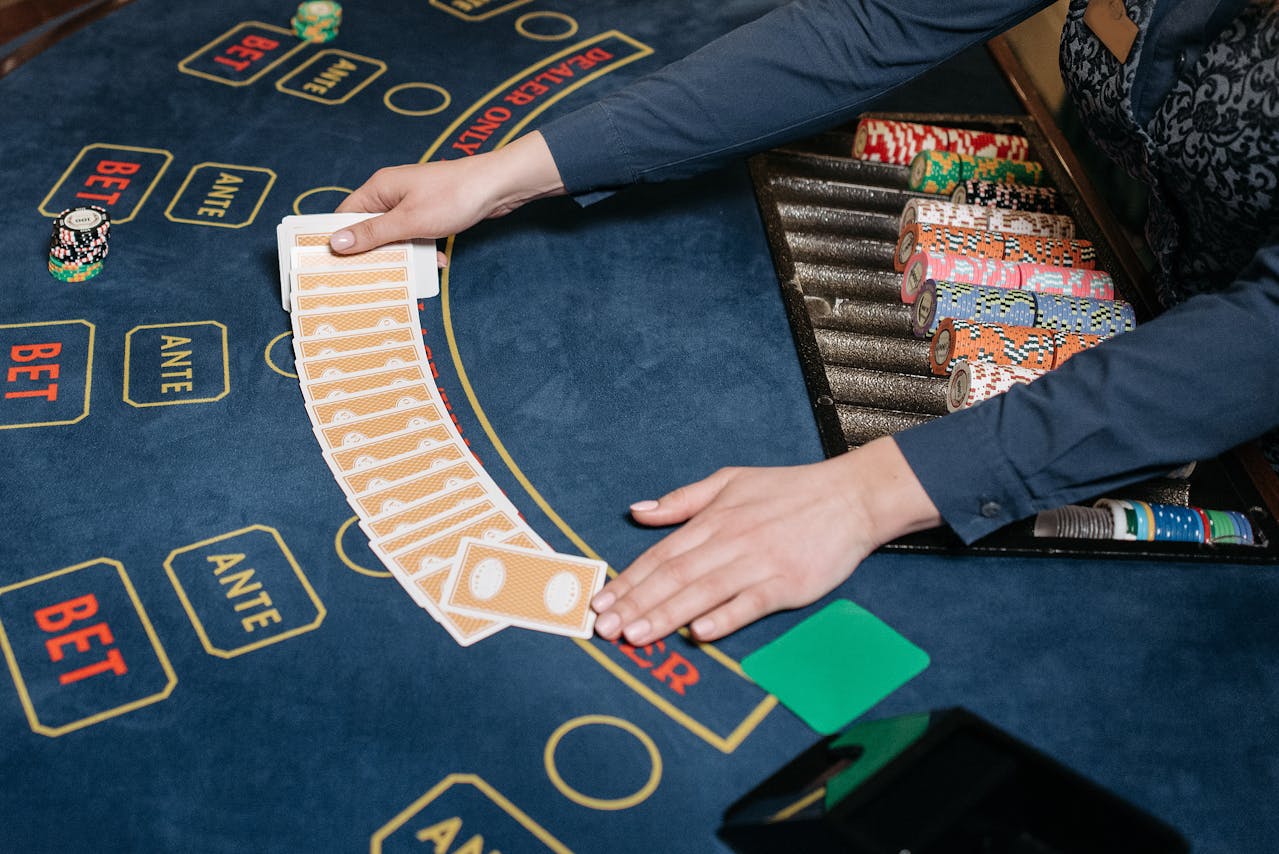
Table games are staples of any casino floor. Blackjack, poker, baccarat, and roulette each offer distinct rules and odds. Blackjack rewards strategic play and can reduce the house edge. Poker pits players against each other, with skill heavily influencing outcomes. Roulette and baccarat rely more on chance, though understanding betting patterns improves decision-making. Table games combine entertainment with opportunity, making them popular choices for both beginners and seasoned players.
Risk Management and Betting Strategies
While no strategy can overcome luck entirely, players can manage risk. Betting strategies help control bankroll and limit losses. Flat betting, proportional betting, and setting limits are common methods. Responsible risk management ensures enjoyment without financial stress. Players should remember that gambling is entertainment first. Maintaining control and realistic expectations prevents frustration and unsafe behavior. Strategies are tools to enhance experience, not guarantees of profit.
Responsible Gambling Practices
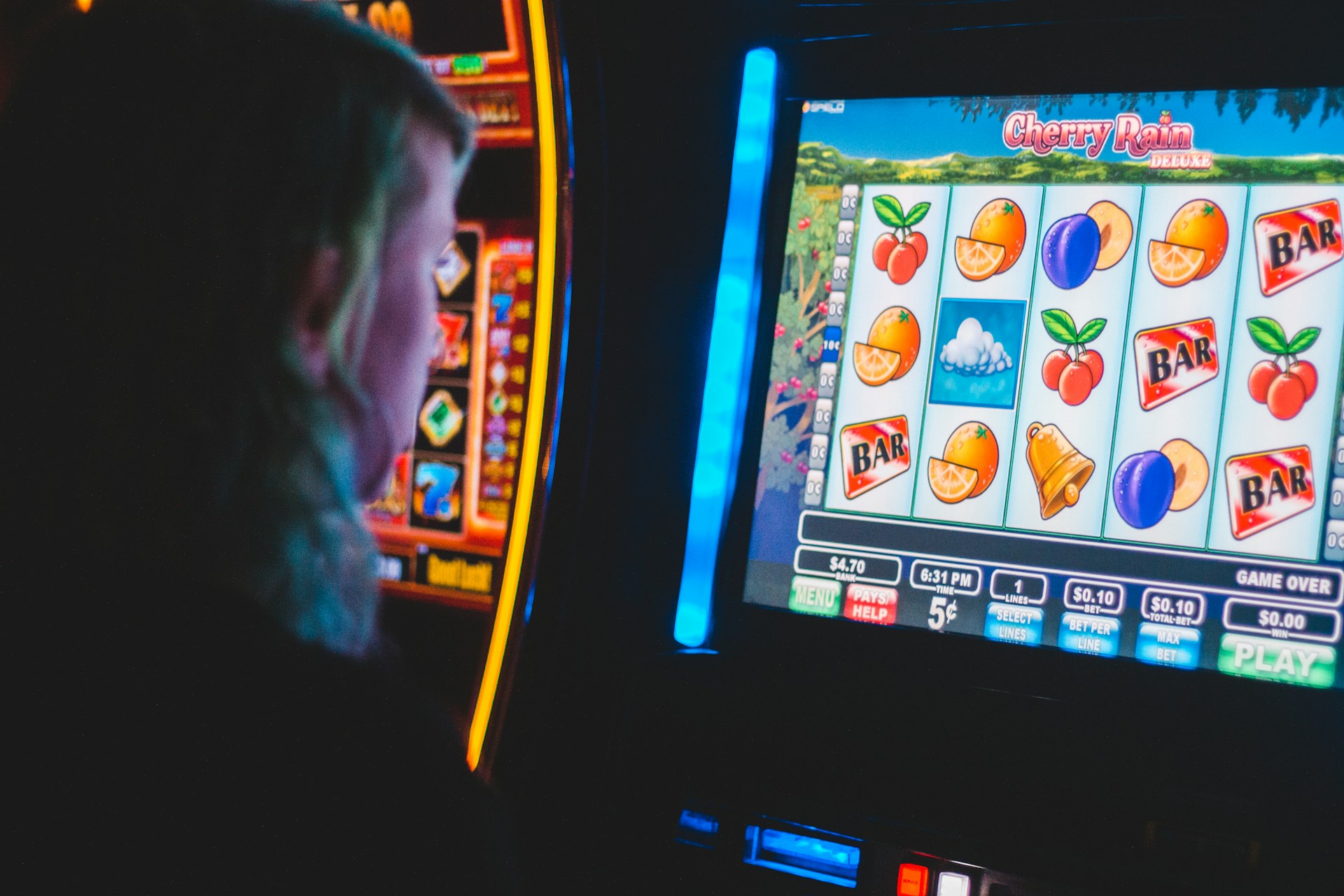
Responsible gambling is critical for a safe casino experience. Setting budgets, taking breaks, and knowing personal limits reduce potential harm. Players should avoid chasing losses and remain aware of the time spent gaming. Awareness of gambling behavior protects mental and financial health. Casinos often provide resources for responsible play. Understanding one’s relationship with risk ensures that gaming remains enjoyable and sustainable. Education about rules, odds, and house edge supports responsible participation.
The Appeal of Casino Games
Casino games combine excitement, challenge, and social interaction. They offer an engaging way to test luck and skill. Learning rules and odds adds depth to the experience. Awareness of house edge and responsible practices helps maintain balance. Whether playing online or in person, informed decisions improve satisfaction. Games provide unique opportunities for fun, strategy, and social enjoyment. Appreciating the mechanics behind each game enhances the overall experience and encourages responsible engagement.
Understanding casino games requires knowledge of rules, odds, and house edge. Table games, slots, and other offerings each have unique characteristics. Awareness helps players make informed decisions and enhances enjoyment. Combining strategy with responsible play ensures a safer, more rewarding experience. Casinos provide entertainment, but understanding the mechanics gives players an edge in making the most of their time. Knowledge transforms casual gambling into a more structured and satisfying activity.